
simple idea on a screen slowly turns into something real, right in front of them. But what many people do not know is that 3D printing is not just one single method. It is a family of different techniques, each with its own personality and way of creating objects. Some methods focus on strength, some on beauty and some on speed.
3D Printing Types for Your Project:
Here are some different types of 3D printing. Understanding these types helps you choose the one that feels right for your project.
1. Fused Deposition Modeling:
Fused Deposition Modeling is the method most people begin with because it feels friendly and easy to learn. A small spool of filament melts inside the printer and is placed gently layer by layer to form the final object. There is something comforting about watching the print grow slowly, almost like a plant rising from soil.
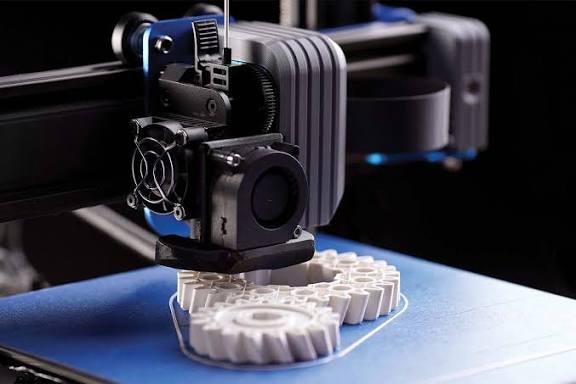
People love this method because it is affordable and dependable. You can print toys, tools, school projects or simple prototypes without stress. It may not create the smoothest surfaces, but it gives you the freedom to experiment, fail safely and grow with every print you make.
2. Stereolithography Printing:
Stereolithography Printing feels artistic. Instead of melting plastic, it uses liquid resin that hardens when touched by light. Watching an object rise slowly from a resin tank feels like watching a sculpture being revealed. Many creators say this method feels magical because the details come out so clean and beautiful.
Key Highlights Of Stereolithography:
- Uses precise light to harden liquid resin layers
- Creates smooth models with beautiful fine details
- Perfect for jewelry and small artistic sculptures
- Used widely for dental models and medical designs
- Offers stunning accuracy in every printed feature
- Needs careful cleaning and proper curing afterwards
3. Digital Light Processing:
Digital Light Processing is similar to Stereolithography but faster because it cures entire layers at one time instead of tracing them slowly. Many designers love this method because it gives a polished look even before sanding. The prints appear clean, bright and full of detail.
People who work with jewelry, dental modelling and miniatures appreciate how this method combines speed with sharp accuracy. It is especially helpful when you need several small parts printed quickly without losing quality. Even though it requires cleaning like other resin methods, the results feel rewarding the moment you see them.
4. Selective Laser Sintering:
Selective Laser Sintering is trusted when strength matters. It spreads powdered material in thin layers and a powerful laser melts selected areas to form the object. The powder supports the structure naturally, so no extra supports are needed.
Important Features Of Selective Laser Sintering
- Uses laser power to join powdered materials
- Makes strong parts for real everyday use
- Does not need supports due to powder stability
- Favored for gears brackets and mechanical parts
- Ideal for complex designs and hidden internal shapes
- Common in industries for testing strong prototypes
Engineers love this method because it creates tough, working parts that feel ready for real world use. Holding a printed piece from this method feels different. It feels sturdy, confident and ready for challenges.
5. Material Jetting Technology:
Material Jetting Technology feels like the luxury side of 3D printing. It sprays tiny droplets of material, and each droplet is cured instantly with light. This allows printing in multiple materials and even multiple colors at the same time.
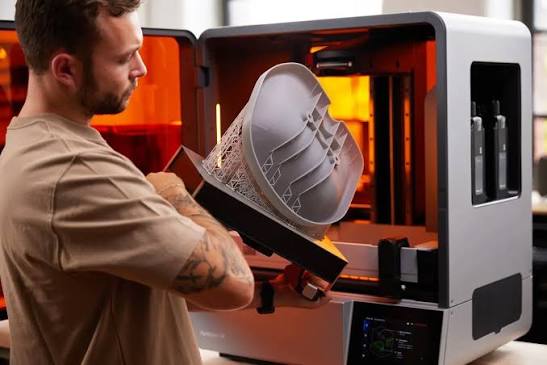
Designers use this method when they want prototypes that look almost identical to real final products. The textures feel natural, the colors appear smooth and the shapes look professionally finished. Although this method costs more, the emotional satisfaction of holding a print that feels truly complete makes it worth it.
Conclusion:
Each type of 3D printing has its own purpose and personality. Some methods focus on making strong parts, some create beautiful details and some simply make printing easy for beginners. What makes 3D printing special is not just the technology but the feeling it gives. It lets people turn ideas into reality, explore creativity and enjoy the quiet excitement of watching something grow layer by layer. Once you understand the different methods, choosing the right one becomes a joyful and meaningful part of the journey.
FAQs:
Fused Deposition Modeling is the simplest and most affordable option.
Stereolithography Printing and Digital Light Processing create the smoothest details.
Selective Laser Sintering creates durable and tough functional objects.
Material Jetting Technology can print with multiple colors and materials.
They need more cleaning and curing, but they offer beautiful results.